
Blog
Are Scented Candles Safe Indoors? What You Should Know (Practical Home Guide)

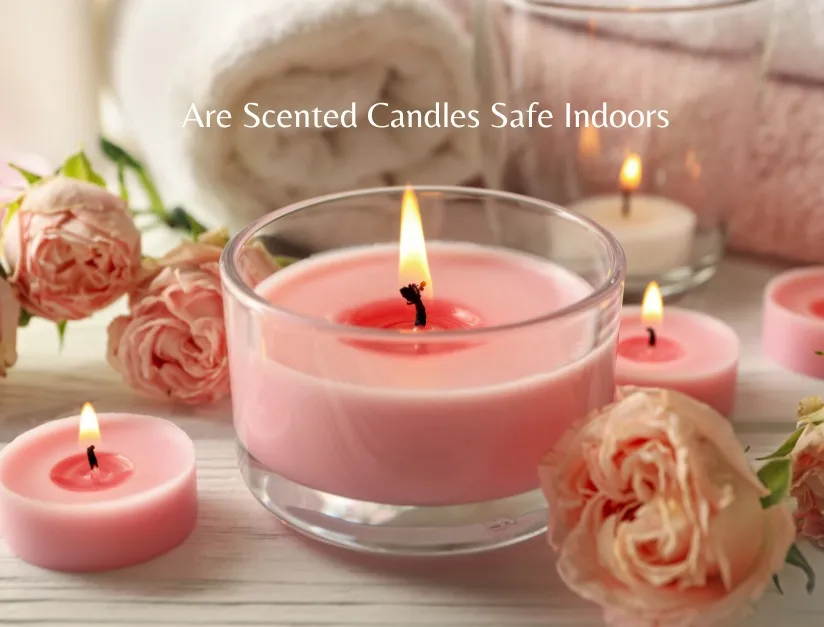
Scented candles can make a home feel calm, cozy, and clean—but many people still wonder: are scented candles safe indoors? The honest answer is: for most people, candles are fine when used correctly, but how you burn them and what they’re made of matters a lot.
This guide explains what affects indoor safety, how to reduce smoke and soot, what type of candles are safest indoors, and how long you should burn a candle indoors—plus special tips for families and sensitive users.
Are scented candles safe indoors?
In normal use, a candle is a small controlled flame that melts wax and releases fragrance into the air. The main indoor concerns come from:
- Soot/smoke (usually from an untrimmed wick or drafts)
- Fragrance sensitivity (headaches, irritation for some people)
- Ventilation and burn time (especially in small rooms)
- Wax and wick quality (affects how clean it burns)
So when people ask, are scented candles bad for you, it often depends on frequency, ventilation, and quality—not just the fact that it’s a candle.
Are scented candles bad for you? What “bad” usually means
For many households, scented candles are a lifestyle product used occasionally. But for some users, “bad” can mean one of these experiences:
1) Headaches or nausea
This can happen if the fragrance is too strong, the room is small, or you’re sensitive to certain scent profiles.
What helps: choose mild scents, avoid “extra strong,” and don’t burn for long hours.
2) Throat/eye irritation
Often linked to heavy fragrance concentration, poor ventilation, or smoke/soot.
What helps: keep airflow gentle (not direct fan on flame), trim wick, and take breaks.
3) Visible soot on jars or walls
Usually caused by a long wick, drafts, or burning too long.
What helps: trim wick before every burn and keep the candle away from moving air.
If you’re not experiencing these issues, candles typically don’t feel “bad” in daily life. But if you are, you can fix most problems with better habits and better candle choices.
What type of candles are safest indoors?
If you want the safest indoor experience, look for candles designed to burn cleaner and more predictably.
Safer indoor candle checklist
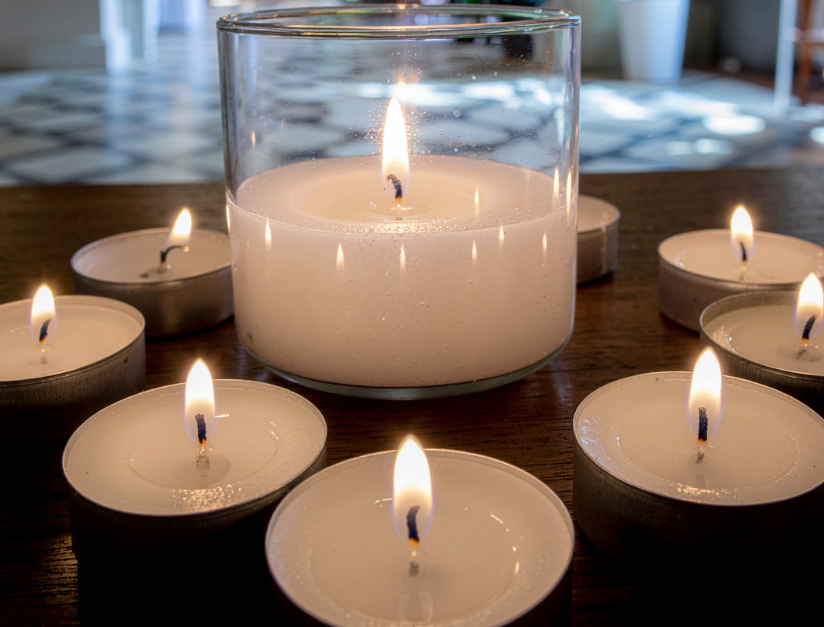
- Clean-burning wax (many people prefer soy wax or beeswax for indoor use)
- Cotton wick (or a quality wooden wick that doesn’t smoke easily)
- Stable jar (thick glass, wide base)
- Balanced fragrance strength (mild to medium for small rooms)
Avoid very low-quality candles that smoke heavily, smell harsh, or leave black residue quickly.
Best clean burning candles for home (what to look for)
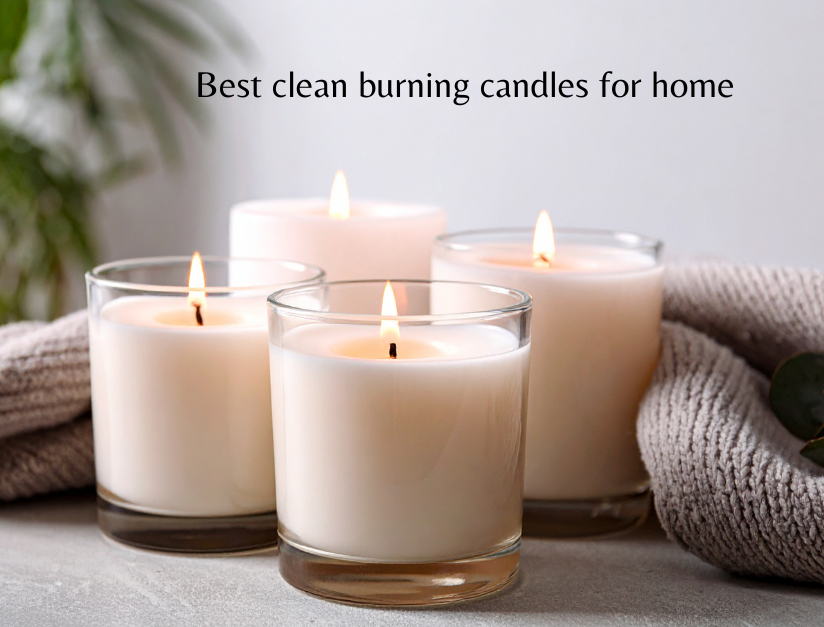
When people search for the best clean burning candles for home, they usually want minimal smoke, low soot, and a smoother scent experience.
Signs a candle burns cleaner
- The flame is steady (not flickering wildly)
- The jar stays mostly clean (no heavy black soot)
- The scent feels smooth, not sharp
- The wax melts evenly without tunneling
Clean-burning habits matter (even for premium candles)
Even a great candle can smoke if used wrong. Do these three things every time:
- Trim the wick to about 5 mm (¼ inch)
- Avoid drafts (fans, open windows, AC directly hitting the flame)
- Let the top melt evenly (prevents tunneling and improves scent)
These small steps make a bigger difference than people expect.
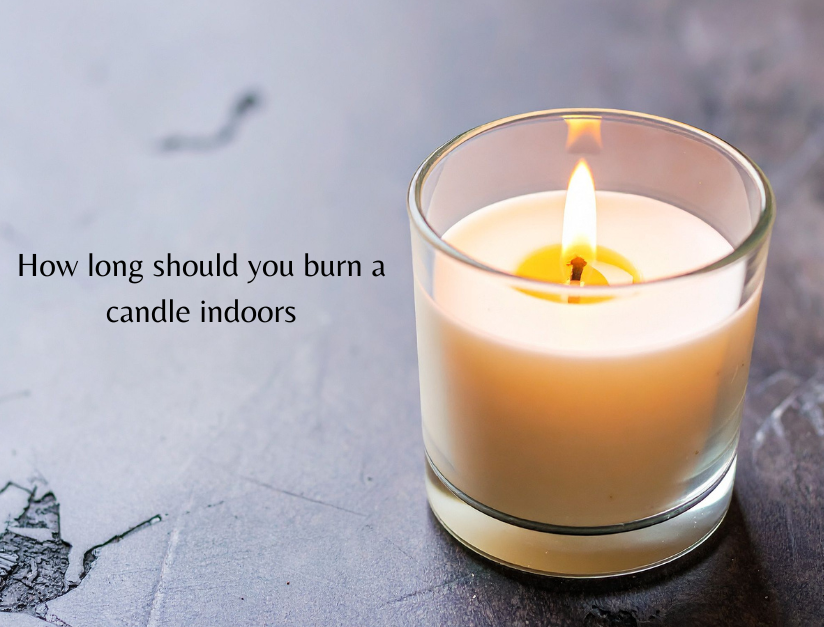
How long should you burn a candle indoors?
This is one of the most important safety questions.
General guideline
- Burn 1–3 hours at a time for most indoor settings
- Avoid burning a candle all day continuously
- If your room is small, keep burn sessions closer to 1–2 hours
Why? Longer burns can:
- Overheat the jar
- Increase soot if the wick mushrooms
- Make the scent feel too heavy in a closed room
A simple rule by room size
- Small rooms (bathroom, small bedroom): 30–90 minutes
- Medium rooms (bedroom, office): 1–2 hours
- Large rooms (living room): 2–3 hours
If you want fragrance all day, it’s better to do shorter sessions with breaks.
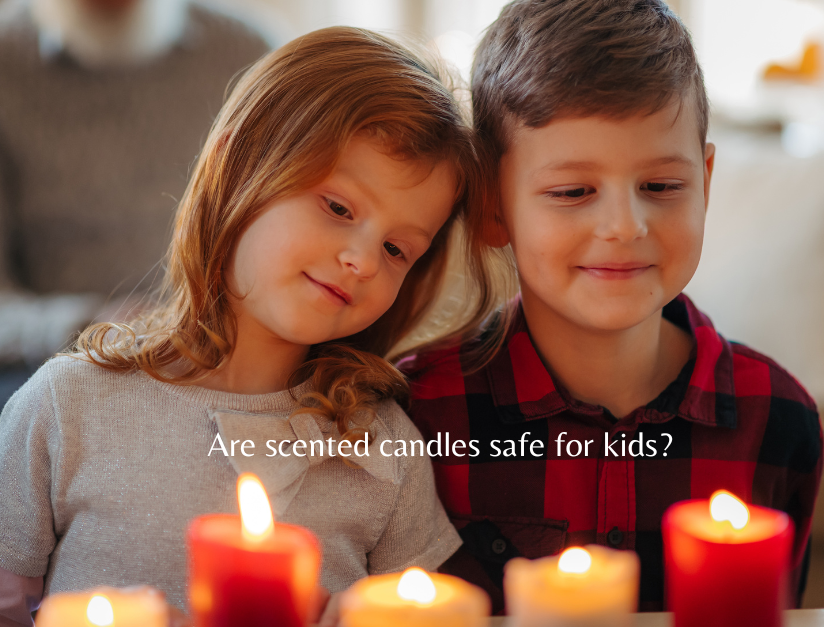
Are scented candles safe for kids?
Parents often ask if scented candles are safe for kids—and safety here is less about fragrance and more about flame and placement.
Key rules for homes with kids
- Never leave a candle unattended, even for a minute
- Keep candles far from edges, curtains, books, toys, and bedding
- Use a stable surface, ideally high and out of reach
- Avoid strong fragrances in kids’ rooms (mild scents are better)
- Keep matches/lighters locked away
If your child is sensitive (headaches, sneezing, watery eyes), switch to:
- shorter burn time
- lighter scent strength
- more ventilation
- or skip fragrance during that time
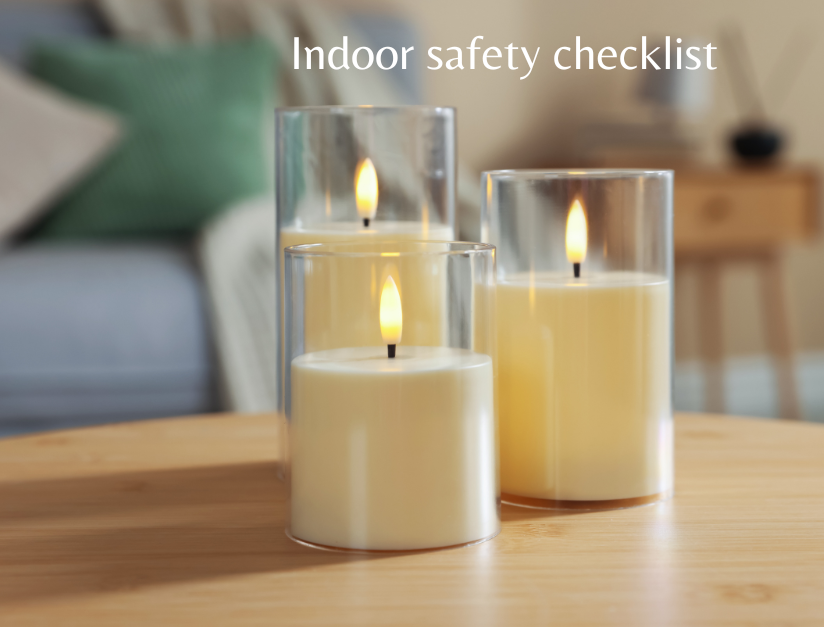
Indoor safety checklist (easy and practical)
If you want candles to be safe indoors, use this quick checklist:
Before lighting
- Wick trimmed
- Candle on a stable heat-safe surface
- Away from curtains, paper, and airflow
During burning
- Burn in the same room (don’t leave it unattended)
- Keep pets away from flame and hot wax
- If it starts smoking, extinguish and trim the wick
After burning
- Put out safely (snuffer is best; avoid blowing hard)
- Let wax cool before moving the jar
- Store with lid on (keeps dust out and fragrance fresh)
When should you avoid burning candles indoors?
Even if you love candles, it’s smart to skip them sometimes:
- If someone has strong fragrance sensitivity or migraine triggers
- If the room is very small with no ventilation
- If you can’t supervise the flame
- If the candle is smoking repeatedly even after wick trimming
A safe candle experience is one you can control.
Final thoughts
So, are scented candles safe indoors? For many people, yes—when you choose the right candle and burn it correctly. The best approach is to focus on what type of candles are safest indoors, follow clean-burning habits, and limit burn sessions to a sensible time. If you want the best clean burning candles for home, look for better wax and wick quality, and avoid strong drafts and long burn hours. And if you have a family, extra care is needed because scented candles are safe for kids and depend heavily on supervision and safe placement.

FAQs
1) Are scented candles safe indoors?
Yes for most homes when used correctly—trim the wick, avoid drafts, and burn for a limited time in a ventilated space.
2) Are scented candles bad for you?
They can be irritating for sensitive people if fragrance is strong or smoke/soot occurs. Better quality candles and correct burning reduce issues.
3) What type of candles are safest indoors?
Candles with cleaner wax (often soy/beeswax), quality cotton wicks, stable jars, and balanced fragrance strength are generally safer for indoor use.
4) How long should you burn a candle indoors?
Typically 1–3 hours per session. Small rooms are better at 30–90 minutes to avoid heavy fragrance buildup and overheating.
5) What are the best clean burning candles for home?
Clean burning candles usually have better wax and wicks and produce minimal soot when the wick is trimmed and the candle is kept away from drafts.
6) Are scented candles safe for kids?
They can be if supervised and placed out of reach. Avoid strong fragrances in kids’ spaces and never leave a candle unattended.
7) Why does my candle produce black smoke?
Most often the wick is too long, there’s a draft, or the candle has been burning too long. Trim the wick and move it away from airflow.
8) Can scented candles affect indoor air quality?
Smoke/soot and heavy fragrance can affect comfort in closed rooms. Use shorter burn times and mild scents, and ventilate if needed.
9) How can I make candles safer indoors?
Trim the wick, burn on a stable surface, keep away from curtains/paper, avoid fans/windows, and don’t burn for many hours continuously.
10) What should I do if a candle smells too strong?
Extinguish it, air out the room, and choose a milder fragrance or shorter burn sessions next time.